
For importers and procurement managers, sourcing a brushless fuel pump is not a part-number purchase. It is a decision about which manufacturing partner will stand behind your brand through warranty claims, repeat orders, and field failures. This guide builds a practical supplier-screening standard for buyers developing new suppliers and running factory audits, covering factory strength, quality systems, certifications, product testing, OEM and ODM support, MOQ, lead time, after-sales, and long-term supply.
1. Why Supplier Reliability Matters for Brushless Fuel Pumps
A brushless fuel pump pairs an electric motor with an electronic controller, so the failure modes are different from a simple brushed pump. The controller, commutator-free motor, and sealing all depend on consistent manufacturing and validated design. When a supplier cuts corners on materials or skips validation, the result is field failures that land on your balance sheet as warranty cost and lost distribution accounts. For buyers building a private-label or OEM program, supplier reliability is the difference between a scalable product line and a recall risk. A clear screening standard protects lead times, brand reputation, and the continuity of supply your customers expect.
2. Key Criteria for Evaluating a Reliable Supplier
Use the criteria below as a factory-audit checklist. Score each supplier before you discuss price, because a low unit cost from a weak supplier is the most expensive option over the life of a program.
Manufacturing and Engineering Capability
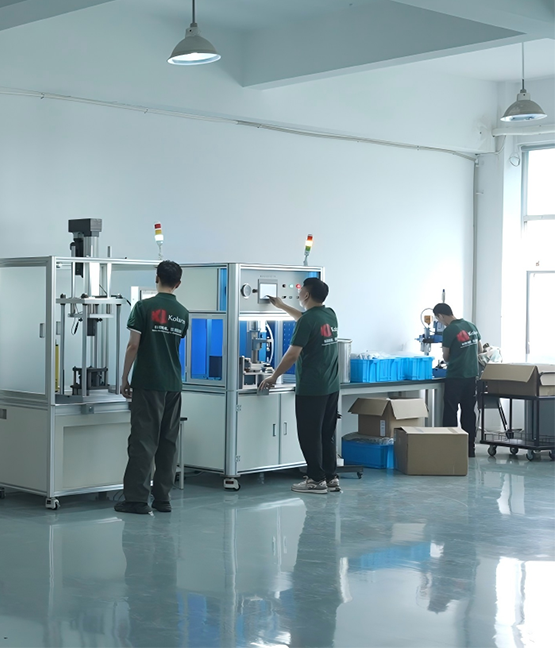
Start with the question of whether you are dealing with a manufacturer or a trading company. A reliable brushless fuel pump supplier designs and builds the motor, controller, and housing in-house, and can show you the production line, tooling, and engineering team. Ask for the factory address, engineering headcount, and sample-development lead time. Look for in-house capabilities such as motor winding, controller firmware, flow-curve tuning, and tooling for housings and connectors. The ability to customize flow, pressure, connector, harness, filter, and housing is a strong signal that the supplier controls its own product rather than reselling someone else’s.
Quality Control and Testing Process
A dependable supplier runs a documented, multi-stage quality process rather than spot-checking finished goods. A practical benchmark is a 5-step flow: incoming material inspection, assembly process control, flow and pressure validation, leak, noise, and electrical testing, and final inspection with batch traceability. Ask to see the test rigs, the acceptance limits, and sample test reports. Endurance validation matters for brushless units because they are sold on long service life, so ask whether the supplier performs extended endurance testing on development programs and what hour count it targets.
OEM, ODM and Customization Support
If you are building a branded line, confirm that the supplier offers OEM, ODM, joint development, and private-label support. This includes logo, barcode, carton, and documentation customization. For performance-oriented programs, review the high-performance fuel pumps range to check whether flow and pressure curves are documented and supported for your application. Customization depth, not just catalog breadth, determines how fast you can launch a differentiated product.
Certifications and Documentation
Request current certificates as files, not screenshots, and confirm they are issued in the factory’s own name. At minimum, ISO 9001 for quality management is expected, with market-specific marks such as CE for Europe or relevant electrical and emissions compliance for your target regions. A supplier that cannot produce documentation in its own name is a traceability risk. You can learn more about a manufacturer’s background and quality commitments on the about KOLA MOTOR page as a reference for what a documented B2B supplier profile looks like.
Communication, Lead Time and Export Experience
Reliable supply depends on clear communication and proven export operations. Assess response time, English-language documentation, and whether the supplier has shipped to your target markets before. Confirm MOQ, standard lead time, and reorder terms in writing, and ask how the supplier handles engineering-change notices and component shortages. Export experience reduces the chance of customs, labeling, and packaging surprises that delay your launch.
Build your brushless fuel pump program with KOLA MOTOR
Request flow curves, sample evaluation, and private-label pricing for brushless fuel pumps, with a documented 5-step quality process.
3. Red Flags to Watch For When Vetting Suppliers
The following warning signs should lower a supplier’s score or stop the evaluation entirely:
- No verifiable factory address, or refusal to allow a factory audit or video walkthrough.
- No in-house test data, only catalog claims or generic specification sheets.
- Certifications presented as screenshots, or issued in a different company’s name.
- Identity is unclear – the contact behaves like a trading company but claims to be a manufacturer.
- MOQ, lead time, and reorder terms are vague or change between conversations.
- No batch traceability, so a field failure cannot be traced to a production date or component lot.
- No after-sales process, or no defined point of contact for warranty and quality claims.
- Pricing far below the market with no explanation of how cost was removed from the build.
4. Frequently Asked Questions
What questions should buyers ask before placing a first order?
Ask for the factory address and an audit option, the engineering and QC team structure, sample lead time, MOQ, standard lead time, and reorder terms. Request current certificates in the factory’s name, sample test reports, and references from buyers in your region. Confirm customization scope for logo, packaging, and electrical parameters, and clarify the after-sales and warranty process before you commit volume.
How can buyers verify a supplier’s quality control process?
Request a documented quality flow and sample test reports with acceptance limits, then verify it during a factory audit or live video walkthrough of the test rigs. Ask to watch flow, pressure, leak, noise, and electrical testing on a running line, and confirm batch traceability from incoming material to final inspection. Independent or third-party inspection at the finished-goods stage adds another layer of confirmation before shipment.
What documentation should a reliable supplier provide?
Expect ISO 9001 and any market-specific certificates in the factory’s own name, plus product datasheets with flow and pressure curves, electrical specifications, and material declarations. Sample test reports, a quality control plan, traceability records, and export documents such as commercial invoice and packing list should be standard. For OEM and ODM programs, confirm logo, barcode, and carton approval artwork in writing.
How important is supplier flexibility for OEM branding?
Flexibility is decisive for a branded program. A supplier that supports flow-curve tuning, connector and harness changes, housing modifications, and private-label packaging lets you launch a differentiated product without tooling your own factory. For distributors and performance brands, this flexibility, combined with stable lead time and after-sales support, is what turns a component purchase into a long-term supply partnership.
5. Conclusion
A reliable brushless fuel pump supplier is an engineering and quality partner, not just a lowest-cost source. Score factories on manufacturing capability, a documented testing process, certifications in their own name, OEM and ODM flexibility, clear lead times, and after-sales support. Buyers who apply this screening standard reduce warranty risk, protect brand reputation, and secure the continuity of supply that distribution and OEM programs depend on.
Complete your fuel system with KOLA MOTOR assemblies
From single-pump hangers to custom modules with integrated ports, filters, and fuel-level senders – built to your specification.
