KolaMotor fuel pump hangers and assemblies support single-, dual- and triple-pump systems. Application-specific designs can integrate feed and return ports, sealed electrical feedthroughs, filters and fuel level senders for easier system integration.
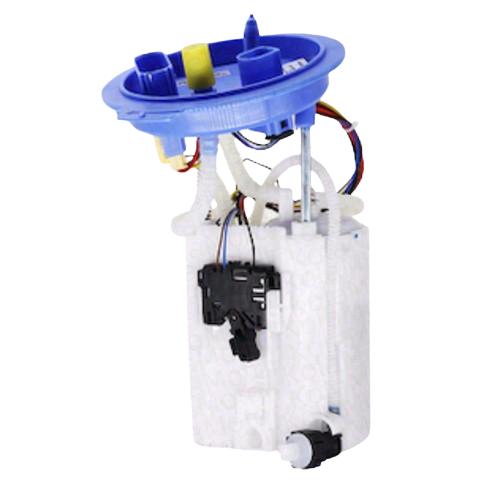
A reliable hanger is more than a top plate. It must position the pump correctly, maintain fuel pickup, seal the tank opening, carry electrical current safely and provide suitable feed, return and vent connections. Multi-pump systems also require careful planning for pump spacing, filtration, wiring load and staged or simultaneous operation.
KolaMotor reviews the complete layout before confirming a design. The process can include tank and flange measurement, pump selection, port definition, electrical design, drawing or sample approval, assembly and functional testing. Standardized components can shorten development time, while custom machining and packaging support private-label projects.
Depending on the project, a fuel pump hanger or assembly may include a machined top plate, sealing gasket, feed and return ports, vent port, sealed electrical bulkhead, internal pump brackets, pickup filters, submersible hose or hard lines, wiring, connectors and a fuel-level sensor. The selected pump quantity and model determine the expected flow, current demand and plumbing size.
KolaMotor can supply a hanger-only configuration or an assembled and tested module. Website and catalog descriptions should clearly identify included components, port sizes, electrical configuration, tank compatibility and whether pumps are supplied.
Detail labels: Top Plate / Feed Port / Return Port / Vent / Electrical Bulkhead / Pump Bracket / Filter / Hose or Tube / Level Sensor
High-Performance Motorsport Fuel Delivery for Every Extreme Build
Please provide the following for a standard match or custom quotation:
1. Tank opening diameter, flange shape and bolt-hole pattern.
2. Tank depth and required pickup position.
3. Vehicle/application and available installation space.
4. Pump model, pump quantity and target flow at pressure.
5. Feed, return and vent port sizes and connection standards.
6. Fuel type, seal/material requirements and operating environment.
7. Wiring voltage, expected current, connector and control strategy.
8. Fuel-level sensor requirement, sample, drawing or resistance range.
 Optimized by Seraphinite Accelerator