

1. Introduction
Carbureted engines still power a large share of the vehicles, equipment, and collector cars moving through the global aftermarket. For wholesalers, importers, and distributor purchasing teams, that means steady, repeatable demand for a component that looks simple but fails quietly when specified wrong: the electric fuel pump for carburetor applications. Get the pressure class right and the product line sells itself; get it wrong and returns climb.
This guide explains what a carburetor fuel pump is, how it works in a carbureted system, the specifications that matter for bulk sourcing, and how to plan a product range that matches your customer segments. KOLA MOTOR manufactures fuel pumps for global B2B distributors and OEMs, and the engineering notes below reflect what our technical team reviews with buyers before a production order is confirmed. Always verify final specs against the supplier’s datasheet before committing to a purchase order.
2. What is an Electric Fuel Pump for Carburetor Engines
An electric fuel pump for carburetor engines is a low-pressure pumping device that draws fuel from the tank and delivers it to the carburetor’s float bowl. Unlike electronic fuel injection, which needs 30 to 70 PSI, a carbureted circuit only needs enough pressure to keep the bowl full and feed the jets. Most carbureted setups run in a narrow band well below 10 PSI.
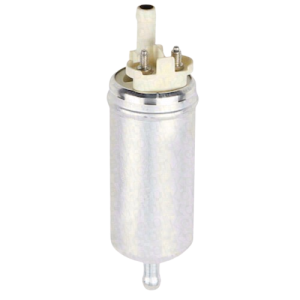
The key difference is intent. A fuel pump for carburetor use is built to hold a gentle, steady supply rather than to force fuel through injectors under high pressure. A practical example is the Universal Electric Low-Pressure Fuel Pump for Carburetor Gasoline Engines, a universal-fit unit designed around the low-pressure profile carburetors require.
3. How an Electric Fuel Pump on Carburetor Systems Works
Low-Pressure Delivery to the Float Bowl
An electric fuel pump on carburetor systems sits in the fuel line between the tank and the carburetor. It pushes fuel forward at low pressure, and the carburetor’s float and needle valve regulate the level inside the bowl. The pump does not meter fuel to the engine; it simply makes sure fuel is always available when the engine calls for it.
Why Pressure Matters: Needle and Seat Limits
Inside the float bowl, a small needle and seat control fuel entry. That needle is spring- and float-loaded, not designed to hold back high pressure. If the pump pushes too hard, the needle cannot seat and the bowl overfills, causing flooding, rich running, and fuel smell. This is why a carb fuel pump must sit in the correct pressure window.
Risks of Pressure Mismatch
Too much pressure floods the engine; too little starves it and causes lean misfire under load. Pressure mismatch is the single most common cause of carbureted fuel pump complaints in the aftermarket. Specifying the right range at the sourcing stage prevents most of these failures before they reach your customers.
4. Types of Carburetor Fuel Pump
Electric Carb Fuel Pump
The electric carb fuel pump is the modern default for most wholesale demand. It mounts externally or inline, runs off the vehicle’s 12V system, and delivers a stable low-pressure stream. Electric units are easier to position, quieter in many installs, and simpler to stock as a universal SKU than mechanical types tied to one engine block.
Mechanical Fuel Pump vs Electric Fuel Pump
A mechanical pump is driven by the engine and bolted to the block, which limits its fitment to specific engines. An electric fuel pump for carb applications decouples delivery from engine motion, making it a flexible replacement and upgrade path. For distributors serving mixed fleets, electric models reduce the number of engine-specific part numbers you must carry.
Gasoline and Ethanol-Compatible Models
Fuel formulation varies by market. Some regions blend ethanol; others run straight gasoline. An electric fuel pump for carb built for ethanol compatibility uses seals and diaphragm materials suited to alcohol-blended fuel. Picking the right variant protects your customers and reduces warranty exposure. Explore the full low-pressure selection in the Low-Pressure Fuel Pumps category.

5. Key Specifications of a Fuel Pump for Carburetor Applications
Pressure Range in PSI
Pressure is the headline spec. Most carbureted systems target roughly 4 to 7 PSI at the carburetor, with 4.7 PSI a common sweet spot for many universal builds. Confirm the pump’s regulated output rather than its open-flow rating, because the number your customers feel is the pressure at the bowl, not peak line pressure.
Flow Rate in GPH
Flow is measured in gallons per hour. A small carbureted engine needs far less than a big-block race build, but oversizing flow is safer than undersizing it as long as pressure stays controlled. The electric fuel pumps in KOLA’s low-pressure carbureted family are commonly rated around 35 GPH, a figure that covers most passenger, classic, and light-equipment applications.
Voltage and Current
Most automotive and small-engine units run on 12V DC. Check the current draw against the vehicle’s wiring and relay plan, and confirm the pump includes or supports an in-line fuse. Stable voltage also keeps pressure consistent, which protects the needle and seat discussed above. For comparison, the 4.7 PSI 35 GPH Low-Pressure Diesel Lift Pump shares the same pressure and flow class but is built for diesel transfer rather than carbureted gasoline delivery.
Port Size and Mounting
Port thread and hose barb size decide whether the pump drops into an existing line or needs an adapter. Universal inlet and outlet sizes reduce SKU count and installation friction. Confirm mounting orientation and vibration isolation, since a pump rattling against a firewall generates noise complaints.
Fuel Compatibility
Match the pump’s internal materials to the fuel it will see. Gasoline-only, ethanol-compatible, and diesel-rated variants use different seals and diaphragms. Listing compatibility clearly on your product page prevents the wrong unit reaching a customer who runs E10 or E85 blends.
6. Product Range Planning for Wholesalers: Electric Fuel Pumps by Customer Segment
Classic Car and Restoration
Restoration buyers want correctness and reliability, not max flow. A proven fuel pump for carburetor at the standard pressure class, sold with clear cross-reference data, fits this segment. The 4.7 PSI 35 GPH Universal Gasoline Low-Pressure Fuel Pump (carbureted) is a strong core SKU here because it matches the gentle delivery carburetors expect.
Hot Rod and Racing Carb Builds
Performance builders still run carburetors on many street and strip cars. They value consistent pressure under hard acceleration and clear spec sheets. Stock both gasoline and ethanol-compatible variants so a builder running race fuel or pump gas can pick the right unit without delay.
Small Engines and Equipment
Generators, pumps, and older equipment often use gravity or pulse pumps, but many are upgraded to a low-pressure electric carb fuel pump during repair. These buyers respond to compact, universal, easy-to-mount units with simple 12V wiring. The 4.7 PSI 35 GPH Low-Pressure Ethanol-Compatible Electric Fuel Pump covers markets where ethanol blends are standard.
7. What Wholesalers Should Confirm When Sourcing Carburetor Fuel Pumps in Bulk
Model Range and Cross-Reference Data
Request a full model list with cross-reference numbers so your sales team can match customer inquiries fast. Good cross-reference data shortens the path from “which pump fits my car” to a confirmed order.
Pressure and Flow Test Reports
Ask for pressure and flow test data at the rated voltage. This is the evidence that the pump holds its claimed PSI and GPH. Keep these reports on file; they answer most technical objections from experienced buyers.
Fuel Compatibility Documentation
Confirm in writing which fuels each SKU supports. Documentation protects both you and the end user when a market shifts to higher ethanol blends.
MOQ and Private-Label Packaging
Clarify minimum order quantities and whether private-label packaging is available. For distributors building their own brand, packaging options and label artwork requirements should be settled before the first container.
Sample Approval
Always approve a physical sample before a bulk run. Check pressure at voltage, noise, fitting size, and build quality. A short sample stage prevents a long returns problem.
FAQs
Q: What are the main differences between electric fuel pumps for carburetors and other types?
A: Carbureted electric pumps deliver low pressure, typically around 4 to 7 PSI, while injection pumps run at much higher pressure. They also prioritize steady bowl filling over high-flow forcing.
Q: Which electric fuel pump for carb engines should wholesalers stock: gasoline or ethanol-compatible?
A: Stock both. Gasoline-only units cover traditional markets, while ethanol-compatible pumps serve regions with alcohol-blended fuel and reduce warranty risk.
Q: What pressure range suits a carburetor fuel pump?
A: Most carbureted systems run well at roughly 4 to 7 PSI, with 4.7 PSI a common target for universal builds. Confirm the regulated output, not just peak rating.
Q: What MOQ and packaging options exist for a private-label carb fuel pump?
A: Minimum order quantities and private-label packaging vary by supplier and pump class. Discuss MOQ, label artwork, and box design during sample approval so production runs smoothly.
Build Your Carburetor Fuel Pump Product Line With Confidence
Request KOLA MOTOR’s low-pressure pump datasheets, cross-reference lists, and private-label MOQ to plan your next bulk order with verified specs.
9. Conclusion
Specifying an electric fuel pump for carburetor use comes down to three checks: the right low-pressure window, the right flow for the segment, and confirmed fuel compatibility. Wholesalers who source with tested spec reports, clear cross-reference data, and sample approval build a carbureted pump line that sells steadily and returns rarely. KOLA MOTOR supports distributors and OEMs with a low-pressure range engineered for carbureted gasoline and ethanol-blended applications; confirm the exact figures on the supplier’s datasheet before you place the order.
