

Introduction
When you package an EFI fuel system into a vehicle, generator, or industrial platform, the choice between an in tank fuel pump and an external inline fuel pump is rarely cosmetic. It affects mounting space, heat management, plumbing interfaces, noise, and how easily the unit can be serviced in the field. For distributors, performance brands, and OEM purchasing or engineering staff, the decision should be driven by packaging data rather than habit.
This guide compares the two architectures specifically for brushless designs, then maps each to common OEM application profiles so you can shortlist a packaging-compatible solution before requesting samples.
What is an In Tank Fuel Pump
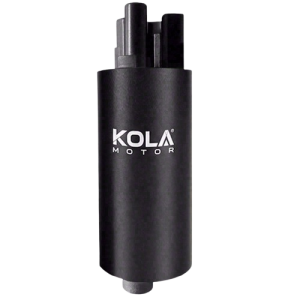
An in tank fuel pump sits submerged inside the fuel tank, normally as part of a hanger, module, or pickup assembly. Being surrounded by fuel gives it passive cooling and excellent noise isolation, because the liquid and tank wall damp the motor and impeller sound. The pump outlet is usually a short internal line that routes through the tank top to an external fuel line.
For OEMs with a defined tank volume and a fixed top-hat opening, the in-tank route keeps the high-pressure plumbing inside the chassis envelope and leaves the exterior clean. The trade-off is that service access requires tank removal or at least a service port in the tank shell. Flow ratings such as the brushless fuel pump families are typically quoted at a reference pressure, so always confirm the curve at your target bar.
What is an Inline Fuel Pump
An inline fuel pump is mounted externally, in the fuel line between the tank and the engine. It draws fuel from the tank through a suction line and pushes it downstream, which is why it is often called an inline electric fuel pump. Because it sits in open air, it is a natural fit when the tank cannot host a pump or when a high-flow stage is added after the primary lift pump.

Inline Electric Fuel Pump Basics
The core job of an inline electric fuel pump is the same as any EFI pump: deliver a stable flow at the pressure your regulator demands, with a controller or commutator scheme that survives the duty cycle. Brushless units use electronic commutation, which reduces brush wear and can extend service life under continuous load. External mounting also means the pump is easy to reach for inspection, which matters for fleets and industrial equipment.
KOLA MOTOR offers external high-flow options such as the 0580254044 Bosch 044-type high-flow external inline fuel pump, a proven form factor for performance and motorsport-adjacent builds where an external stage is preferred.
12V Inline Fuel Pump Voltage and Current
Most light-vehicle and small-engine platforms run a 12v inline fuel pump powered from the vehicle electrical system. The pump controller and motor must be matched to the available supply; voltage sag under cranking can drop flow, so the wiring gauge, relay, and ground path matter as much as the pump itself. Current draw scales with flow and pressure, so a high-flow unit may need its own fused feed rather than a shared circuit.
For mixed-fuel duty, the 0580254910 12V inline fuel pump for gasoline and diesel shows how a single external platform can be specified across fuel types when the seal and commutation materials are chosen for compatibility.
In-Tank vs Inline Fuel Pump: Key Differences
The table below summarizes the comparison points that most often decide packaging fit.
| Factor | In-Tank Design | Inline / External Design |
|---|---|---|
| Installation space | Inside tank envelope | Chassis or frame rail |
| Connections | Integrated module ports | Threaded or hose-barb inlet/outlet |
| Cooling | Fuel-submerged, passive | Air-convective, heat-sensitive |
| Noise | Well damped | Audible, needs isolation |
| Serviceability | Tank access required | Direct, tool-side access |
Installation Space and Packaging
The first question is simply where the pump can live. An in tank fuel pump consumes no external envelope, which is decisive when chassis space is tight or aesthetics matter. An in line fuel pump needs a defined external mounting zone with clearance for the body, fittings, and service access. Map the available volume before you commit, because retrofitting one type into the other’s space is rarely clean.
Inlet and Outlet Connection Type
In-tank modules usually present molded or quick-connect ports sized to the OE line. External inline fuel pump units more often use threaded ports or hose barbs, which are easier to adapt across builds. Confirm thread pitch and seat type early; a mismatch here drives custom adapters and leak-risk points you would rather avoid in a production BOM.
Pump Diameter and Length
External bodies have a fixed diameter and length that must clear the mounting bay, while in-tank cartridges are constrained by the tank neck and hanger geometry. For external stages, record the body diameter and overall length, then check against frame rails, skid plates, and heat sources.
Mounting Method
In-tank pumps mount via the hanger or module; external pumps use clamps, brackets, or isolator bushes on a chassis point. A 12v inline fuel pump should be soft-mounted to cut vibration transfer into the cabin or enclosure. Bracket design is part of your packaging data, not an afterthought.
Cooling and Noise
Submersion cools the in-tank pump and hides its sound. The external inline electric fuel pump relies on airflow and must be kept away from exhaust and engine heat; it is also audible, so position and isolation define perceived quality. If the unit sits near an operator enclosure, plan for damping.
Serviceability
External pumps win on service: a technician can swap a 12v inline fuel pump without draining or dropping the tank. For fleet and industrial duty where uptime matters, that access alone can justify the external route.
In Line Fuel Pump vs In-Tank Design: Which One Fits Your OEM Application
Tight Tank Packaging
If your tank is the only spare volume and the exterior is sealed or cosmetic, an in tank fuel pump keeps everything internal. This is common on compact platforms where no chassis real estate exists for an external body.
External Chassis Mounting
When a clean chassis zone exists near the line, an in line fuel pump simplifies assembly and service. It suits skid-mounted equipment, marine blisters, and industrial frames where tank-drop service is impractical.
Retrofit and Aftermarket Kits
Retrofit and performance kits frequently choose external pumps because they bypass a limited in-tank unit. A 12v inline fuel pump staged after a lift pump adds capacity without opening the tank, which is why many upgrade kits standardize on this form factor.
High-Flow Builds
For high-flow requirements, external staging is the flexible path. The 328 LPH inline fuel pump at 5 bar and the Bosch 044-type external unit illustrate how a dedicated external stage supports elevated demand. Many of these builds also draw from the high-performance fuel pump range when flow headroom is specified up front.

Frequently Asked Questions
Q: Is an in tank fuel pump quieter than an inline fuel pump?
A: Generally yes. Submersion in fuel and the tank wall damp motor and impeller noise, whereas an external inline pump sits in open air and needs soft mounting plus positioning away from operator enclosures.
Q: Does an inline electric fuel pump need a surge tank or lift pump?
A: In low-fuel or high-g scenarios a lift pump or surge tank protects the external pump from cavitation; for stable-tank passenger applications a single external stage is often sufficient. Confirm with your fuel system layout.
Q: What port sizes are common for a 12v inline fuel pump?
A: External units commonly use threaded metric or imperial ports and hose-barbs sized to the line; exact thread pitch and seat type vary by model, so verify against the product drawing before ordering fittings.
Q: Which packaging data decides between an in line fuel pump and an in-tank design?
A: Capture available envelope, tank neck and hanger geometry, inlet and outlet connection type, required flow at pressure, heat sources, and service access. Those six inputs settle most selections.
Match the Right Pump to Your Packaging Before You Build
Send KOLA MOTOR your flow-at-pressure target, envelope drawing, and fuel type, and our engineering team will recommend an in-tank or inline brushless configuration with a matching datasheet.
Conclusion
Neither architecture is universally better. An in tank fuel pump wins on space, cooling, and quiet operation, while an inline fuel pump wins on external access, serviceability, and high-flow staging flexibility. For OEM packaging, decide from measured envelope, connection, flow-at-pressure, and service data rather than from precedent. KOLA MOTOR manufactures brushless and high-performance fuel pumps for global B2B distributors and OEMs; always confirm electrical, flow, and fuel-compatibility specifications against the supplier datasheet before finalizing your bill of materials.
