

1. Introduction
Selecting the right low pressure fuel pump is one of the most overlooked decisions in a B2B fuel-system order. For distributors, importers, and OEM purchasing or engineering teams, a pump that is specified too high in pressure or mismatched on fuel compatibility creates returns, warranty claims, and lost installation time. This guide walks you through the types, the key specifications, and the application matching you need to buy with confidence. KOLA MOTOR manufactures fuel pumps for global B2B distributors and OEMs, and the engineering points below reflect the selection criteria our customers use every day.
2. What is a Low Pressure Fuel Pump
A low pressure fuel pump is a fuel delivery unit designed to move gasoline, diesel, or blended fuels at modest outlet pressures, typically well below the 30-70 PSI range used by modern electronic fuel injection (EFI) systems. Instead of forcing fuel into a rail under high pressure, it supplies a steady, low-pressure stream to a carburetor, a small engine, or a diesel injection system’s pre-feed stage. The pump’s job is consistency: stable flow at the rated pressure, quiet operation, and long service life under continuous duty.
Low-pressure units are usually positive-displacement or low-head centrifugal designs powered by a 12V DC motor. They are external (mounted on the chassis or frame) rather than submerged in the tank, which makes them easy to service and ideal for retrofit, marine, generator, and off-road equipment markets.
3. Why Low Pressure Fuel Pump Matter For Your Business
For a buyer, the business case is straightforward. A correctly specified low pressure fuel pump reduces field failures and makes your part number a “safe” choice for installers. It also widens your addressable market: carbureted classic cars, lawn and garden equipment, generators, marine outboards, agricultural machinery, and diesel pre-feed systems all need low-pressure delivery.
From a sourcing standpoint, low-pressure pumps are a high-repeat, high-volume category. Distributors who standardize on a few well-documented flow classes (for example a 35 GPH unit at 4.7 PSI) can cover dozens of applications with minimal inventory. That simplifies cross-referencing, speeds quoting, and lowers the cost of carrying stock.
4. Types of Low Pressure Fuel Pumps
The category splits into a few clearly defined families. Knowing which family fits an application is the first step in any selection.
Low Pressure Electric Fuel Pump for Carbureted Engines
A low pressure electric fuel pump built for carbureted engines typically delivers 4-7 PSI, which keeps the carburetor’s needle and seat from being overwhelmed. A common, proven choice is a 4.7 PSI / 35 GPH universal gasoline unit such as KOLA’s 4.7 PSI 35 GPH Universal Gasoline Low-Pressure Fuel Pump for carbureted engines, which covers a broad range of street, marine, and industrial carbureted setups. A universal electric low-pressure pump for carburetor gasoline engines is a flexible additional stock-keeping option for buyers wanting a broader fitment list.
Low Pressure Inline Fuel Pump
A low pressure inline fuel pump mounts in the fuel line between the tank and the engine, rather than inside the tank. Inline construction simplifies replacement and is preferred where tank access is difficult or where the pump must be serviced without dropping the fuel tank. Inline units are common in generator sets, construction equipment, and marine applications where an external, inspectable pump is an advantage.
What is a Diesel Lift Pump
What is a diesel lift pump in practice? It is a low-pressure pump that lifts diesel from the tank and delivers it to the injection pump or high-pressure stage. A diesel lift pump does not create injection pressure itself; it provides the steady pre-feed that the high-pressure pump needs to operate reliably. KOLA’s 4.7 PSI 35 GPH Low-Pressure Diesel Lift Pump is sized for this pre-feed and transfer role on auxiliary diesel systems, generators, and light industrial engines.
Ethanol-Compatible Low-Pressure Pumps
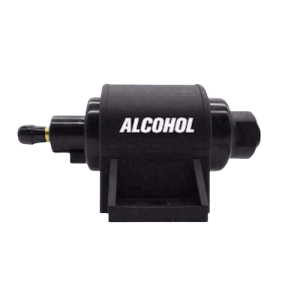
Where fuel contains ethanol blends (E10, E15, or higher), standard pump internals can swell or degrade. An ethanol-rated unit uses compatible seals and diaphragms to resist alcohol-based fuels. The 4.7 PSI 35 GPH Low-Pressure Ethanol-Compatible Electric Fuel Pump is built for blended gasoline markets and is a strong stock item for regions with mandated ethanol content.
5. How to Choose a Low Pressure Fuel Pump
Every selection comes down to six measurable parameters. Confirm each one against the application before you quote or place a purchase order.
Pressure Range: Low Pressure Electric Fuel Pump 1-3 PSI and 4-7 PSI Classes
The most common low-pressure classes are the 1-3 PSI band and the 4-7 PSI band. A low pressure electric fuel pump 1 3 psi is appropriate where the downstream device tolerates only a gentle feed (certain small carburetors and vaporizer systems), while the 4-7 PSI class suits most standard carburetors and diesel pre-feed duties. Lower pressure fuel pump choices are usually deliberate: when the application’s regulating stage is sensitive, you deliberately pick the lower band to avoid overpressure damage.
| Pressure class | Typical use | Example KOLA unit |
|---|---|---|
| 1-3 PSI | Sensitive carburetors, vaporizers, low-demand feeds | Low-pressure electric pump (1-3 PSI band) |
| 4-7 PSI | Standard carbureted engines, diesel lift / pre-feed | 4.7 PSI 35 GPH universal gasoline / diesel / ethanol units |
Flow Rate in GPH or LPH
Flow is rated in gallons per hour (GPH) or liters per hour (LPH) at the rated pressure, not free-flow. A 35 GPH unit at 4.7 PSI is a dependable baseline for single-carburetor and light diesel pre-feed use; larger or multi-cylinder engines need higher flow. Always confirm flow at pressure because free-flow numbers overstate real-world delivery.
Voltage and Current
Most low-pressure pumps are 12V DC; some markets need 24V for commercial or marine duty. Check the rated current draw and confirm the vehicle or equipment’s wiring, fuse, and relay can support it. Undersized wiring is a frequent cause of “pump runs weak” complaints.
Fuel Type and Ethanol Content
Match the pump’s internal materials to the fuel. Gasoline, diesel, and ethanol blends each stress seals differently. If your market uses ethanol-blended fuel, specify an ethanol-compatible model rather than a standard gasoline unit.
Inlet and Outlet Size
Confirm the port thread or hose-barb size (commonly 1/4 inch or 5/16 inch) and the male/female orientation. A mismatch means adapters, leaks, and install delays. Standardizing on one port size across your stock simplifies fulfillment.
Mounting and Orientation
External low pressure inline fuel pump models are often mounted near the tank or frame rail, below the fuel level where possible to aid priming. Confirm the bracket style, vibration isolation, and whether the pump can run dry briefly during installation without damage.
6. Matching Pressure to the Application
The same pump family serves very different jobs once you match the pressure band to the engine’s needs.
Carbureted Engines: Why a Lower Pressure Fuel Pump Is Better
Carburetors regulate fuel with a float and needle valve. Too much pressure pushes past the needle, floods the bowl, and fouls plugs. This is why a lower pressure fuel pump is usually the correct answer for carbureted setups: the 4-7 PSI class keeps the bowl stable, while the 1-3 PSI class protects the most sensitive carburetors. Over-pressuring a carburetor is a far more common mistake than under-feeding it.
Small Engines and Equipment
Generators, pressure washers, tillers, and other small-engine equipment typically need modest flow at low pressure. A compact low pressure electric fuel pump with a 35 GPH rating is usually sufficient. For these applications, quiet operation, a small footprint, and reliable self-priming matter more than peak flow.
Diesel Lift Pump for Pre-Feed and Transfer
In a diesel system, the diesel lift pump lifts fuel from the tank and feeds the injection pump. Its role is pre-feed and transfer, not injection. Specifying a clean, steady 4.7 PSI pre-feed prevents air locks and ensures the high-pressure stage receives fuel without cavitation. When buyers ask what is a diesel lift pump for, the answer is reliable, low-pressure delivery ahead of the injector pump.
7. What Buyers Should Confirm Before Sourcing
Before you commit to a production order, verify these four points with your supplier:
- Pressure and Flow Test Data – request the rated PSI and GPH/LPH at pressure, measured per the supplier’s standard test, so you can validate against the application.
- Cross-Reference Information – confirm which OE or competitor part numbers the unit replaces, which helps your sales team match customer inquiries quickly.
- Fuel Compatibility Documents – obtain written confirmation of fuel types and ethanol limits the pump is rated for; this protects you and your downstream customers.
- MOQ, Packaging and Sample Approval – align minimum order quantity, private-label or neutral packaging, and a sample-approval step before full production.
KOLA MOTOR recommends confirming every specification against the supplier’s current datasheet, as ratings can vary by production batch and regional fuel standards.
8. FAQs
Q: What should buyers consider when choosing a fuel pump for small engines?
A: Focus on low pressure (typically 4-7 PSI), modest flow around 35 GPH, compact mounting, and quiet self-priming operation; confirm fuel compatibility for your regional blend.
Q: What are the main types of diesel fuel lift pumps available?
A: The main types are low-pressure electric inline lift pumps for pre-feed and transfer, plus mechanically driven lift pumps on some engine blocks; electric units are favored for retrofit and auxiliary diesel systems.
Q: What pressure and flow should buyers specify for a low pressure electric fuel pump?
A: Specify the 1-3 PSI band for sensitive carburetors and the 4-7 PSI band for standard carbureted or diesel pre-feed use, with flow (e.g. 35 GPH) confirmed at the rated pressure.
Q: Can a low pressure inline fuel pump be used on EFI engines?
A: Generally no; EFI systems require 30-70 PSI, far above low-pressure pump ratings, so a low-pressure inline pump is suitable only for carbureted or pre-feed roles, not direct EFI supply.
Get the Datasheet and Cross-Reference for Your Application
Request KOLA MOTOR’s pressure and flow test data, fuel-compatibility documents, and sample approval for the low-pressure pump class your market needs.
9. Conclusion
A reliable low pressure fuel pump comes from matching the pressure class, flow, voltage, and fuel compatibility to the exact application – carbureted engines, small equipment, or diesel pre-feed. By standardizing on documented flow classes such as 4.7 PSI / 35 GPH and confirming test data before sourcing, distributors and OEM buyers reduce returns and build a dependable product line. Explore the full Low-Pressure Fuel Pumps category to find universal, ethanol-compatible, and diesel lift options for your next order.
